process planning

CNC Tolerances Explained How Tight Is Too Tight? A Practical Guide for Engineers​

CNC Tolerances Explained: How Tight Is Too Tight? A Practical Guide for Engineers

CNC Tolerances Explained: How Tight Is Too Tight? A Practical Guide for Engineers Executive Summary Tighter tolerances are not always better. They increase cost, reduce yield, and limit supplier options—often without improving function. Key points engineers should remember: Tolerance should follow function, not habit or legacy prints Every extra tenth adds cost exponentially, not linearly […]

CNC Tolerances Explained: How Tight Is Too Tight? A Practical Guide for Engineers Read More »

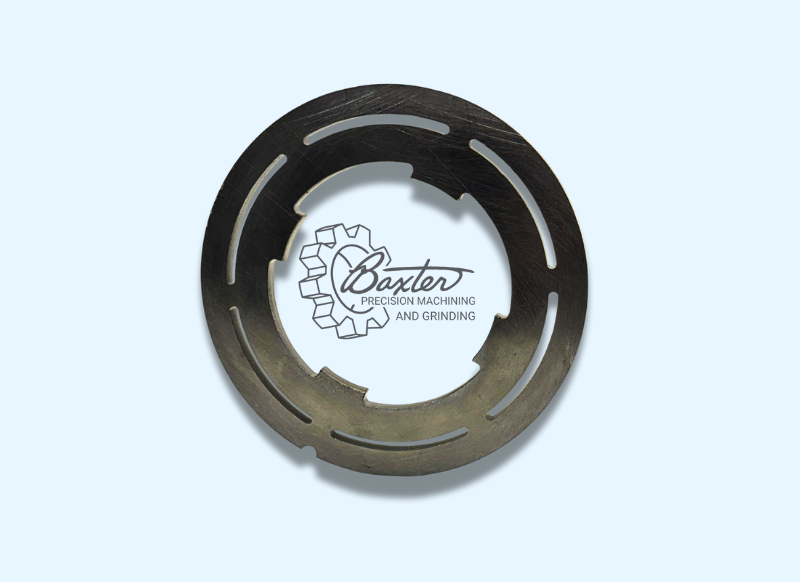
Examples of machining distortion such as bowed shafts, tapered bores, warped plates, and out-of-round journals.

How to Control Distortion in Machining: Heat Treat, Grinding & Process Planning

How to Control Distortion in Machining: Heat Treat, Grinding & Process Planning? Machining distortion is not random; it stems from mechanical, thermal, metallurgical, and clamping stresses revealed during machining or after heat treat. Heat treat is often the primary cause, with process sequence, stock removal, and re-chucking influencing straightness and cylindricity. Grinding and honing correct

How to Control Distortion in Machining: Heat Treat, Grinding & Process Planning Read More »