harshita@ekklethos.com

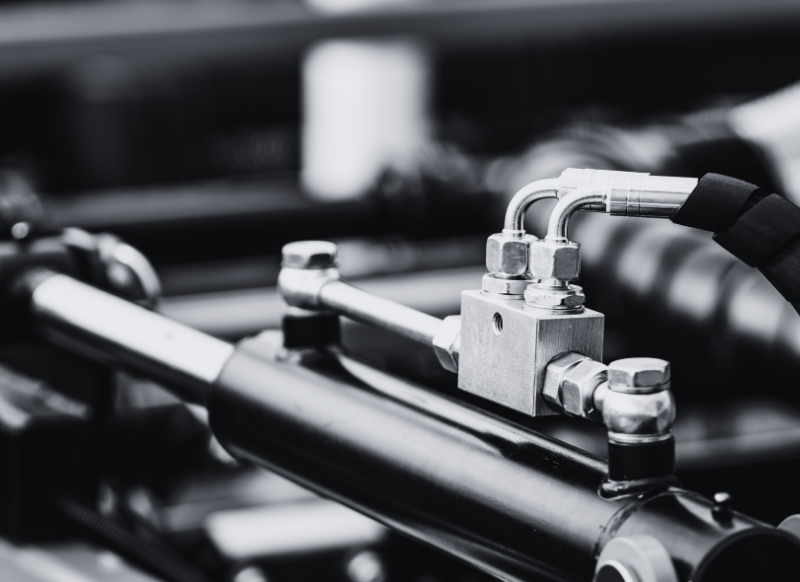
Hydraulic valve cutaway showing machined bore, spool lands, and sealing surfaces requiring tight tolerances

Machining for Hydraulic Systems: Bores, Spools, Sealing Surfaces & Functional Tolerances

Machining for Hydraulic Systems: Bores, Spools, Sealing Surfaces & Functional Tolerances Executive Summary Hydraulic systems demand a different level of machining discipline than general mechanical parts.Small geometric errors that would be harmless elsewhere can cause leakage, stick-slip motion, pressure loss, or rapid wear in hydraulic assemblies. Key points engineers should remember: Hydraulic performance depends on […]

Machining for Hydraulic Systems: Bores, Spools, Sealing Surfaces & Functional Tolerances Read More »
Comparison of in-house grinding versus outsourced grinding showing differences in cost, quality, and risk for precision machined parts.

In-House Grinding vs. Outsourcing: Cost, Quality, and Risk

In-House Grinding vs. Outsourcing: Cost, Quality, and Risk Executive Summary Grinding is not just a finishing step—it is a geometry-control operation.The decision to keep grinding in-house or outsource it affects tolerance capability, scrap risk, lead time, and total cost far more than most engineers expect. Key takeaways: Grinding becomes mandatory when turning or milling can’t

In-House Grinding vs. Outsourcing: Cost, Quality, and Risk Read More »

CNC Tolerances Explained How Tight Is Too Tight? A Practical Guide for Engineers​

CNC Tolerances Explained: How Tight Is Too Tight? A Practical Guide for Engineers

CNC Tolerances Explained: How Tight Is Too Tight? A Practical Guide for Engineers Executive Summary Tighter tolerances are not always better. They increase cost, reduce yield, and limit supplier options—often without improving function. Key points engineers should remember: Tolerance should follow function, not habit or legacy prints Every extra tenth adds cost exponentially, not linearly

CNC Tolerances Explained: How Tight Is Too Tight? A Practical Guide for Engineers Read More »

Examples of machining distortion such as bowed shafts, tapered bores, warped plates, and out-of-round journals.

How to Control Distortion in Machining: Heat Treat, Grinding & Process Planning

How to Control Distortion in Machining: Heat Treat, Grinding & Process Planning? Machining distortion is not random; it stems from mechanical, thermal, metallurgical, and clamping stresses revealed during machining or after heat treat. Heat treat is often the primary cause, with process sequence, stock removal, and re-chucking influencing straightness and cylindricity. Grinding and honing correct

How to Control Distortion in Machining: Heat Treat, Grinding & Process Planning Read More »

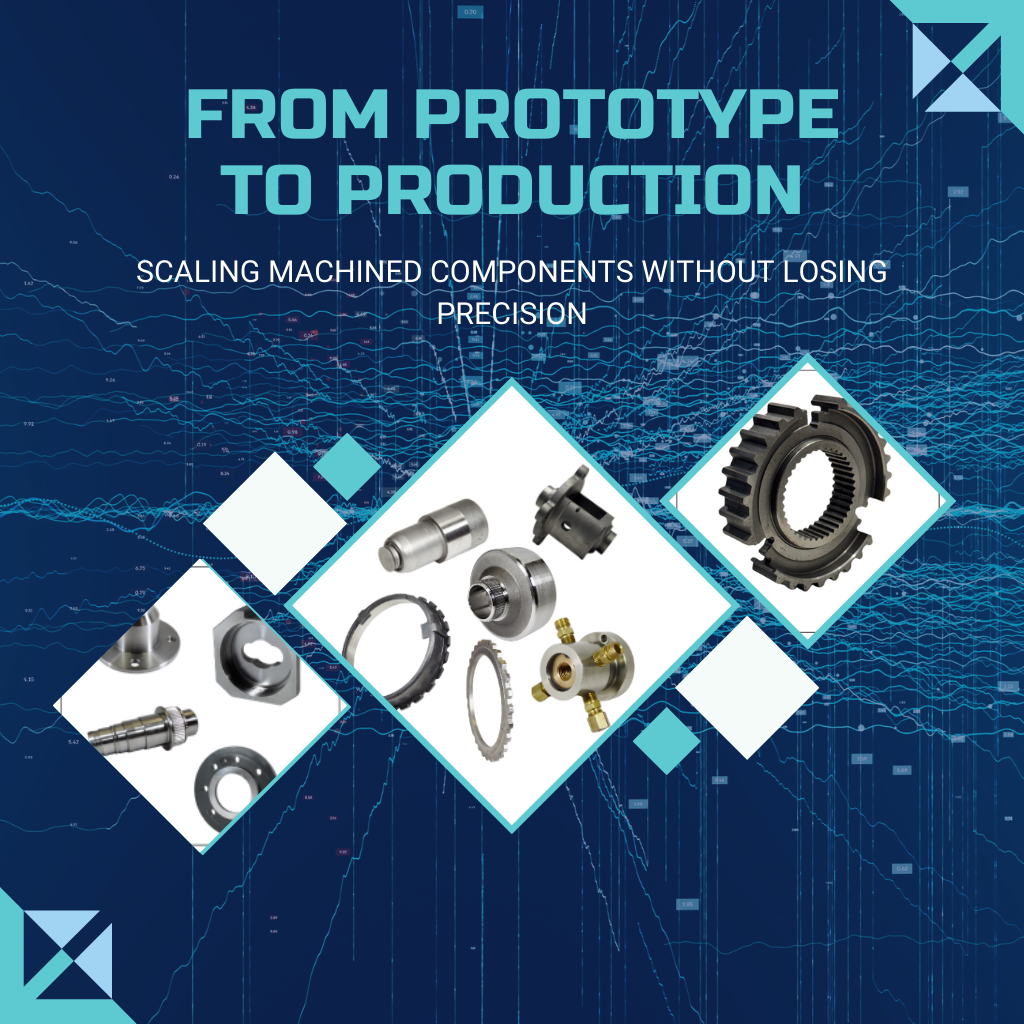
CNC machining from prototype to production

From Prototype to Production: Scaling Machined Components Without Losing Precision

From Prototype to Production: Scaling Machined Components Without Losing Precision PROTOTYPE VS PRODUCTION: WHAT ACTUALLY CHANGES Prototype vs Production: What Actually Changes When You Scale CNC Machining Prototype machining focuses on speed and flexibility.Production machining requires repeatability, documentation, controlled setups, tool libraries, SPC, and stable supply chains.Scaling is NOT “more of the same”—it is engineering

From Prototype to Production: Scaling Machined Components Without Losing Precision Read More »

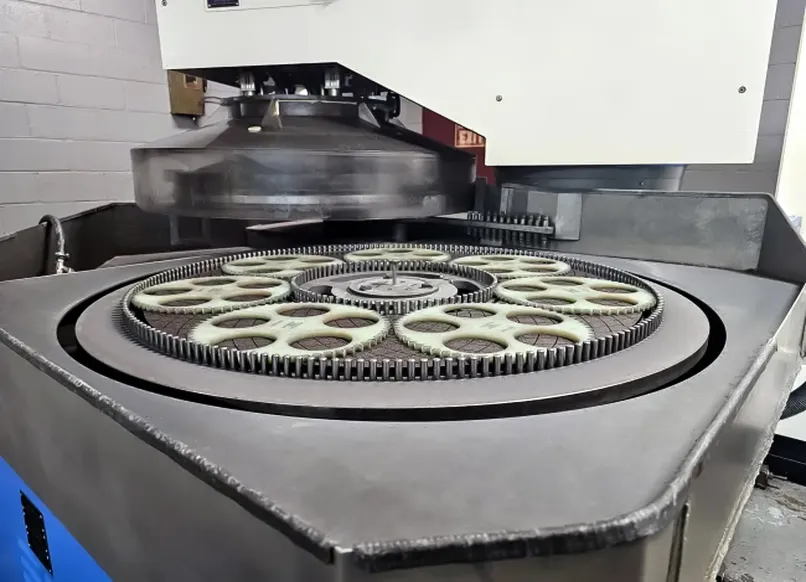
Baxter Machine grinding and honing equipment Jackson MI

Surface Finishing Explained: Grinding, Honing & Polishing for Functional, Reliable Parts

Surface Finishing Explained: Grinding, Honing & Polishing for Functional, Reliable Parts Summary Finish is functional. It governs friction, wear, sealing, fatigue, and assembly — not just cosmetics. Pick by function, not habit. Choose grinding, honing, or polishing based on what the part must do (seal, slide, rotate, press-fit, carry load). Specify clearly. Call out which

Surface Finishing Explained: Grinding, Honing & Polishing for Functional, Reliable Parts Read More »

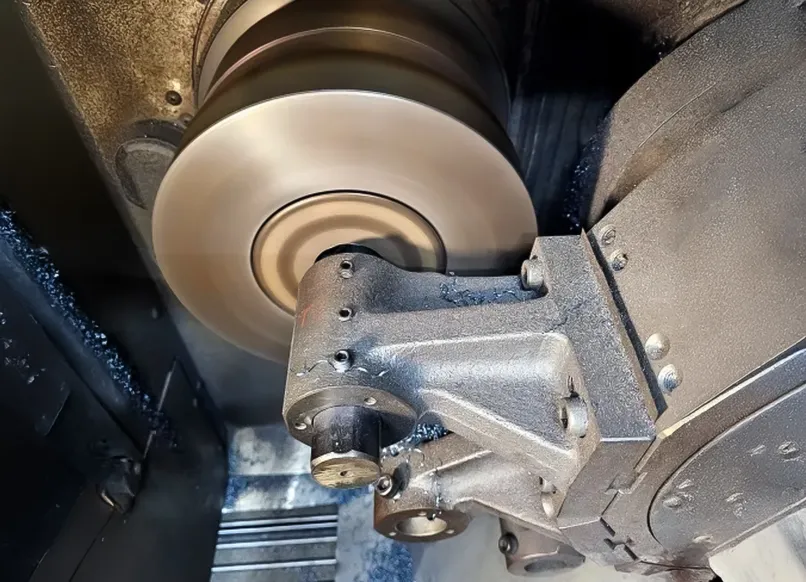
CNC lathe machining steel shaft – Baxter Machine Jackson MI

Designing for the Lathe: The Engineer’s Guide to Cost-Effective Turned Parts

Designing for the Lathe: The Engineer’s Guide to Cost-Effective Turned Parts Turned parts get cheaper and more reliable when designs align with how lathes actually cut. Symmetry, standard feature sizes, realistic tolerances, chip-friendly grooves, proper thread reliefs, chamfers, stable L/D ratios, and stock sizes matched to finish ODs all directly influence cycle time, scrap, and

Designing for the Lathe: The Engineer’s Guide to Cost-Effective Turned Parts Read More »

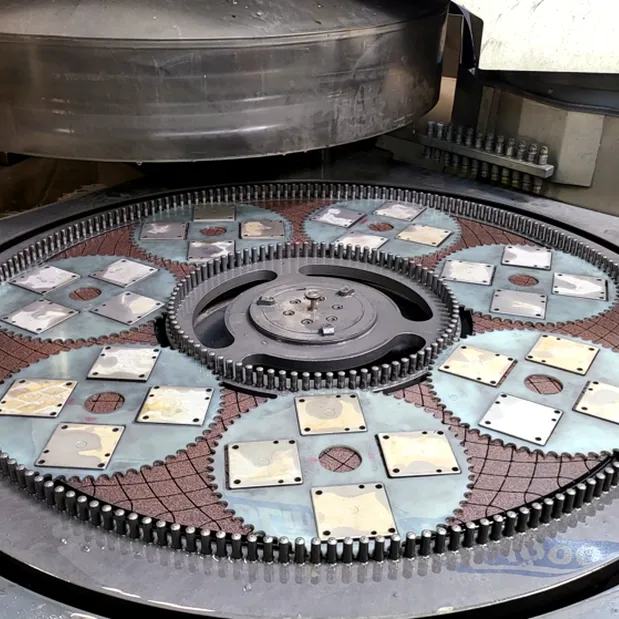
Fine grinding aerospace seal with diamond abrasive wheels for superior flatness

Fine Grinding vs. Double-Disc Grinding: Precision Surface Finishing Explained

Fine Grinding vs. Double-Disc Grinding: Precision Surface Finishing Explained In precision manufacturing, achieving exact flatness and parallelism can define whether a component performs flawlessly or fails prematurely. Among the most trusted technologies for producing ultra-flat surfaces are Fine Grinding and Double-Disc Grinding (DDG). Though both processes aim for tight tolerances and high-quality surfaces, each has

Fine Grinding vs. Double-Disc Grinding: Precision Surface Finishing Explained Read More »